What people ask us
Who does the work when I contact Beingcorruption Septic?
Independent local providers do the work, not Beingcorruption Septic. We are a referral service. We listen to what is going on, then connect you with a provider in our network. The provider gives you the estimate, shows up, and handles the job. Providers, not us. You can compare, then decide, with no obligation.
Is a sewage backup or septic smell dangerous?
It can be. Sewage can carry germs and gases, so keep kids and pets away from wet areas. Open a window, avoid touching the water, and stay out of closed basements if the smell is strong. If anyone feels dizzy or sick, get fresh air and seek medical help.
Can I fix a clogged sewer line myself?
Small clogs in a sink or tub are often fine to try with a plunger. A main line problem is different. Chemical cleaners can harm pipes and are risky to handle. Digging near a buried line can also be unsafe. If several drains back up together, ask a provider to look.
Do I need emergency septic cleaning, or can it wait?
Ask yourself: is sewage coming up inside, pooling in the yard, or are toilets refusing to flush? Those signs usually call for emergency septic cleaning. Slow drains alone may be less urgent. Request a callback to check provider availability. Many providers can respond quickly, though hours vary by provider.
Will my homeowner's insurance pay for a sewer or septic problem?
It depends on your policy. Some policies may cover sudden damage, but wear and tear is often excluded. Check your policy and ask your agent before you decide. Providers can often help document damage with notes and photos, which may help if you file a claim.
How often should a septic tank be pumped?
Many households pump every three to five years. Your tank size, the number of people at home, and how much water you use all change that. A provider can check sludge levels and tell you what fits your home. Septic tank pumping on a regular schedule is usually cheaper than repairs.
How can I protect my system through cold winters?
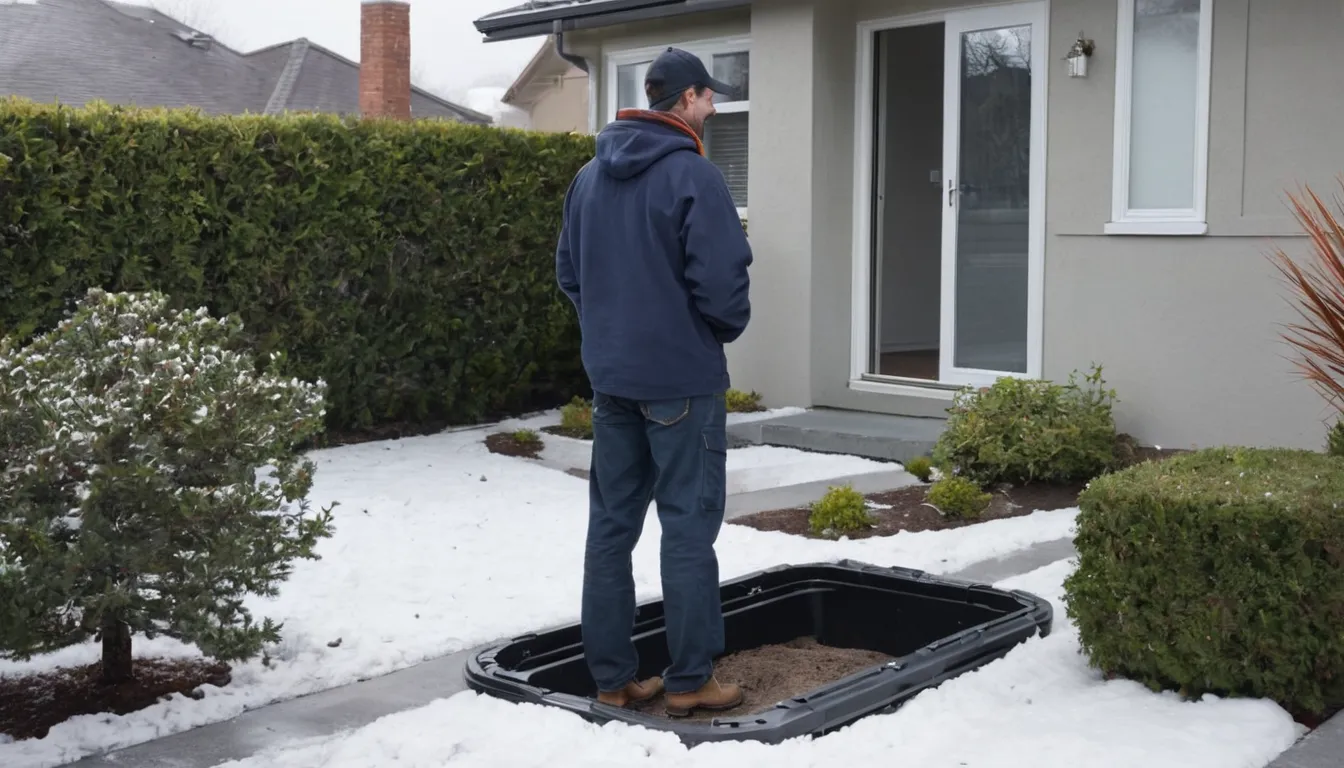
Freeze-thaw cycles and spring snowmelt can stress pipes and drainfields. Keep heavy vehicles off the drainfield. Fix leaky faucets and toilets. Space out laundry loads. Snow cover can actually insulate, so avoid packing it down. Ask a provider about older pipes, especially in homes with stone or block foundations.
What does drainfield repair or sewer line repair usually cost?
Costs vary a lot by job. Typical U.S. ranges run from a few hundred dollars for minor fixes to several thousand for larger drainfield or sewer line work. Access, soil, pipe depth, and local rules all matter. Compare written quotes from more than one provider, then decide at your own pace.